In today’s hyper-connected digital world, system integration isn’t just a tech buzzword—it’s a business imperative. From streamlining operations to unlocking real-time data, effective integration powers smarter decisions and faster growth.






What Is System Integration and Why It Matters

System integration refers to the process of connecting different IT systems, software applications, and services to function as a unified whole. This enables seamless data flow, reduces redundancy, and enhances operational efficiency across departments such as finance, HR, supply chain, and customer service.
Defining System Integration in Modern Business
At its core, system integration is about breaking down data silos. When organizations deploy multiple software platforms—like ERP, CRM, HRIS, and inventory management systems—each tends to operate in isolation. System integration bridges these gaps, allowing information to move freely and accurately between systems.
- It ensures consistent data across platforms.
- It reduces manual data entry and human error.
- It supports automation and real-time reporting.
According to Gartner, companies that implement robust system integration strategies see up to a 30% improvement in operational efficiency within the first year.
Types of System Integration
There are several approaches to system integration, each suited to different business needs and technical environments:
Point-to-Point Integration: Direct connections between two systems.While simple, this method becomes unmanageable as the number of systems grows.Vertical Integration: Systems are grouped by functionality (e.g., finance, sales) and integrated within silos.This improves departmental efficiency but still limits cross-functional visibility.Horizontal Integration (Enterprise Service Bus – ESB): Uses a central middleware platform to connect all systems.
.This is scalable and widely used in large enterprises.Star Integration: A network of point-to-point links where each system connects to every other system—complex and costly to maintain.Common Data Format Integration: All systems translate data into a standard format, reducing transformation complexity.”Integration is not just a technical challenge; it’s a strategic enabler of digital transformation.” — Forrester ResearchThe Evolution of System Integration Over TimeSystem integration has evolved significantly from its early days of manual data transfers and batch processing.As businesses grew more complex and technology advanced, the need for real-time, reliable integration became critical..
From Legacy Systems to Modern Platforms
In the 1980s and 1990s, most enterprises relied on monolithic legacy systems. Data exchange was slow, often requiring physical media or scheduled batch jobs. Integration was an afterthought, leading to inefficiencies and data inconsistencies.
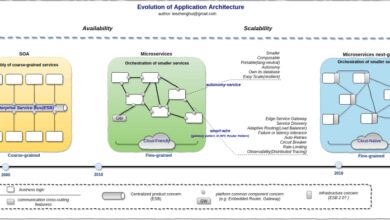
With the rise of client-server architectures in the 1990s and web-based applications in the 2000s, integration began shifting toward real-time connectivity. APIs (Application Programming Interfaces) emerged as a key tool, enabling systems to communicate over networks using standardized protocols like HTTP and XML.
Today, cloud computing and microservices have revolutionized system integration. Platforms like Amazon Web Services (AWS) and Google Cloud offer native integration tools, making it easier than ever to connect disparate systems at scale.
The Role of APIs in Modern Integration
APIs are the backbone of modern system integration. They act as messengers, allowing applications to request and share data securely. RESTful APIs, in particular, have become the industry standard due to their simplicity, scalability, and compatibility with web technologies.
- REST APIs use standard HTTP methods (GET, POST, PUT, DELETE).
- They return data in lightweight formats like JSON, ideal for fast transmission.
- They support stateless communication, improving performance and reliability.
Organizations like Netflix and Amazon process billions of API calls daily to deliver personalized content and manage global supply chains—proof of how powerful API-driven integration can be.
Key Benefits of Effective System Integration
When done right, system integration delivers transformative benefits across the enterprise. It’s not just about connecting systems—it’s about unlocking value.
Improved Operational Efficiency
One of the most immediate benefits of system integration is increased efficiency. Automating data transfer between systems eliminates repetitive manual tasks, reduces processing time, and minimizes errors.
For example, integrating an e-commerce platform with an inventory management system ensures that stock levels update in real time when a sale occurs. This prevents overselling and improves customer satisfaction.
- Reduces time spent on data reconciliation.
- Enables faster order fulfillment and invoicing.
- Lowers operational costs by up to 25%, according to McKinsey.
Enhanced Data Accuracy and Consistency
Data integrity is crucial for decision-making. Without integration, the same customer might have different names, addresses, or purchase histories across systems—leading to confusion and poor service.
Integrated systems ensure that data is entered once and synchronized everywhere. This creates a single source of truth, improving reporting accuracy and compliance with regulations like GDPR and HIPAA.
“Companies with integrated data systems report 40% fewer data discrepancies.” — IBM Institute for Business Value
Real-Time Business Intelligence
Integrated systems provide real-time visibility into business performance. Dashboards can pull live data from sales, marketing, finance, and operations, enabling leaders to make informed decisions quickly.
For instance, a retail chain can monitor store-level sales, inventory levels, and supplier lead times on a single dashboard. If a product is selling faster than expected, the system can automatically trigger a reorder—before stock runs out.
- Supports predictive analytics and AI-driven insights.
- Improves responsiveness to market changes.
- Enhances strategic planning with accurate forecasting.
Common Challenges in System Integration
Despite its benefits, system integration is not without challenges. Many organizations struggle with technical, organizational, and financial hurdles that can delay or derail integration projects.
Data Silos and Legacy System Incompatibility
One of the biggest obstacles is the presence of legacy systems that were never designed to integrate. These older platforms often use outdated protocols, proprietary databases, or lack API support.
For example, a manufacturing company might still rely on a decades-old mainframe system for production scheduling. Connecting it to a modern CRM or ERP system requires custom middleware or data translation layers, increasing complexity and cost.
- Legacy systems may not support real-time data exchange.
- Data formats (e.g., flat files vs. JSON) may be incompatible.
- Vendor lock-in can limit integration options.
Security and Compliance Risks
Integrating systems increases the attack surface for cyber threats. Every connection point—especially APIs—can become a vulnerability if not properly secured.
Additionally, data privacy regulations require strict controls over how personal information is shared and stored. An integration between a healthcare provider’s EMR system and a billing platform must ensure HIPAA compliance, including encryption, access logs, and audit trails.
- Requires robust authentication (e.g., OAuth, API keys).
- Necessitates data encryption in transit and at rest.
- Demands regular security audits and penetration testing.
Organizational Resistance and Change Management
Technical issues are often easier to solve than human ones. Employees may resist integration due to fear of job loss, lack of training, or comfort with existing workflows.
Effective change management is essential. This includes clear communication, stakeholder engagement, and phased rollouts to minimize disruption.
“70% of integration failures are due to poor change management, not technical flaws.” — Harvard Business Review
Best Practices for Successful System Integration
To overcome challenges and maximize ROI, organizations must follow proven best practices when planning and executing system integration projects.
Start with a Clear Integration Strategy
Before writing a single line of code, define your goals. Are you integrating to improve customer experience? Reduce costs? Enable digital transformation?
Develop a roadmap that includes:
- Inventory of existing systems and data flows.
- Identification of integration points and dependencies.
- Prioritization of high-impact integrations (e.g., CRM-ERP).
- Selection of integration architecture (e.g., ESB, iPaaS).
A well-defined strategy aligns IT with business objectives and prevents scope creep.
Choose the Right Integration Tools and Platforms
The market offers a wide range of integration solutions, from open-source tools to enterprise-grade platforms.
- iPaaS (Integration Platform as a Service): Cloud-based platforms like MuleSoft, Dell Boomi, and Apigee offer drag-and-drop interfaces, pre-built connectors, and scalability.
- ETL Tools: For data warehousing and analytics, tools like Informatica and Talend extract, transform, and load data across systems.
- Custom Middleware: For unique requirements, custom-built integration layers may be necessary, though they require more maintenance.
iPaaS adoption has grown by over 40% annually, according to IDC, due to its flexibility and reduced time-to-deployment.
Ensure Data Quality and Governance
Poor data quality undermines integration success. Duplicate records, missing fields, and inconsistent formats can corrupt data flows.
Implement data governance policies that include:
- Data validation rules at entry points.
- Master Data Management (MDM) to maintain a single version of truth.
- Regular data cleansing and deduplication processes.
- Role-based access controls to protect sensitive information.
Companies with strong data governance report 50% higher data reliability and faster integration cycles.
System Integration in Different Industries
System integration is not a one-size-fits-all solution. Its implementation varies significantly across industries based on regulatory requirements, operational complexity, and technology maturity.
Healthcare: Integrating Patient Care Systems
In healthcare, system integration is critical for patient safety and care coordination. Electronic Medical Records (EMR), laboratory systems, billing platforms, and telehealth services must share data securely and in real time.
For example, when a doctor orders a blood test, the EMR system should automatically notify the lab, and once results are ready, they should appear in the patient’s record without manual input.
- HL7 and FHIR standards enable interoperability between medical systems.
- Integration reduces diagnostic errors and improves treatment outcomes.
- Hospitals using integrated systems report 30% faster discharge times.
The U.S. Office of the National Coordinator for Health IT (ONC) mandates interoperability to improve patient access and reduce costs.
Manufacturing: Connecting Supply Chain and Production
Manufacturers rely on system integration to synchronize supply chain logistics, production planning, quality control, and distribution.
An integrated ERP and MES (Manufacturing Execution System) allows real-time monitoring of machine performance, material usage, and order status. If a supplier delay occurs, the system can automatically adjust production schedules and notify customers.
- Reduces downtime through predictive maintenance.
- Improves inventory turnover by 20-30%.
- Enables lean manufacturing principles through real-time visibility.
Siemens and GE have pioneered industrial IoT platforms that integrate sensors, machines, and enterprise systems for smart factory operations.
Retail and E-Commerce: Unifying Online and Offline Channels
Retailers face the challenge of omnichannel integration—ensuring a seamless experience whether a customer shops online, in-store, or via mobile apps.
System integration connects POS systems, e-commerce platforms, warehouse management, and CRM tools. This enables features like:
- Buy online, pick up in-store (BOPIS).
- Real-time inventory visibility across channels.
- Personalized marketing based on purchase history.
Walmart and Target have invested heavily in integration to compete with Amazon, achieving same-day delivery and dynamic pricing through connected systems.
Future Trends in System Integration
The landscape of system integration is rapidly evolving, driven by advances in AI, cloud computing, and edge technologies. Organizations that stay ahead of these trends will gain a competitive edge.
Rise of AI-Powered Integration
Artificial Intelligence is transforming how systems integrate. AI can automatically map data fields, detect anomalies, and optimize integration workflows.
For example, an AI engine can learn how customer data is structured across CRM, billing, and support systems, then suggest the best way to unify them—without manual configuration.
- Reduces integration setup time by up to 60%.
- Enables self-healing integrations that adapt to changes.
- Improves data quality through intelligent cleansing.
Platforms like Oracle AI and Microsoft Azure AI are embedding machine learning into integration tools.
Edge Integration for IoT and Real-Time Processing
As the Internet of Things (IoT) expands, data is generated at the edge—on devices like sensors, cameras, and vehicles. Sending all this data to a central server for processing creates latency.
Edge integration processes data locally and sends only relevant insights to the cloud. This is crucial for applications like autonomous vehicles, smart cities, and industrial automation.
- Reduces bandwidth usage and cloud costs.
- Enables real-time decision-making (e.g., stopping a machine before it fails).
- Improves reliability in low-connectivity environments.
Amazon’s AWS Greengrass and Microsoft’s Azure IoT Edge are leading platforms in this space.
Low-Code and No-Code Integration Platforms
The demand for faster integration has led to the rise of low-code/no-code platforms. These allow business analysts and non-developers to build integrations using visual interfaces.
Tools like Zapier, Make (formerly Integromat), and Microsoft Power Automate enable users to create workflows like “When a new lead is added in HubSpot, create a contact in Salesforce” without writing code.
- Accelerates integration delivery by 50% or more.
- Reduces dependency on IT teams.
- Empowers citizen integrators across departments.
Gartner predicts that by 2025, 70% of new integrations will be built by non-IT professionals using low-code tools.
What is system integration?
System integration is the process of connecting different software systems and applications so they can work together seamlessly, share data, and function as a unified platform. It eliminates data silos and automates workflows across departments.
Why is system integration important?
It improves operational efficiency, enhances data accuracy, enables real-time reporting, and supports digital transformation. Integrated systems help organizations respond faster to market changes and deliver better customer experiences.
What are the main types of system integration?
The main types include point-to-point, vertical, horizontal (ESB), star, and common data format integration. Each has pros and cons depending on the organization’s size, complexity, and goals.
What are the biggest challenges in system integration?
Common challenges include legacy system incompatibility, data silos, security risks, poor data quality, and organizational resistance. Successful integration requires both technical solutions and strong change management.
What tools are used for system integration?
Popular tools include iPaaS platforms like MuleSoft and Dell Boomi, ETL tools like Informatica, API management platforms like Apigee, and low-code tools like Zapier. The choice depends on the integration scope and technical requirements.
System integration is no longer optional—it’s a strategic necessity for any organization aiming to thrive in the digital age. From breaking down data silos to enabling real-time decision-making, integration drives efficiency, innovation, and customer satisfaction. While challenges like legacy systems and security risks exist, adopting best practices and leveraging modern tools can ensure success. As AI, edge computing, and low-code platforms reshape the landscape, the future of integration is faster, smarter, and more accessible than ever. Organizations that embrace these trends will not only survive but lead in their industries.
Further Reading: